 français



Tél : +86 13729892225
Email : export@dtechelectronics.com










Tél : +86 13729892225
Email : export@dtechelectronics.com
Solution de circulation intelligente DTECH
Solution de trafic intelligent DTECH : guide de mise en réseau à chaîne complète, de l’acquisition des signaux à
au centre de commande
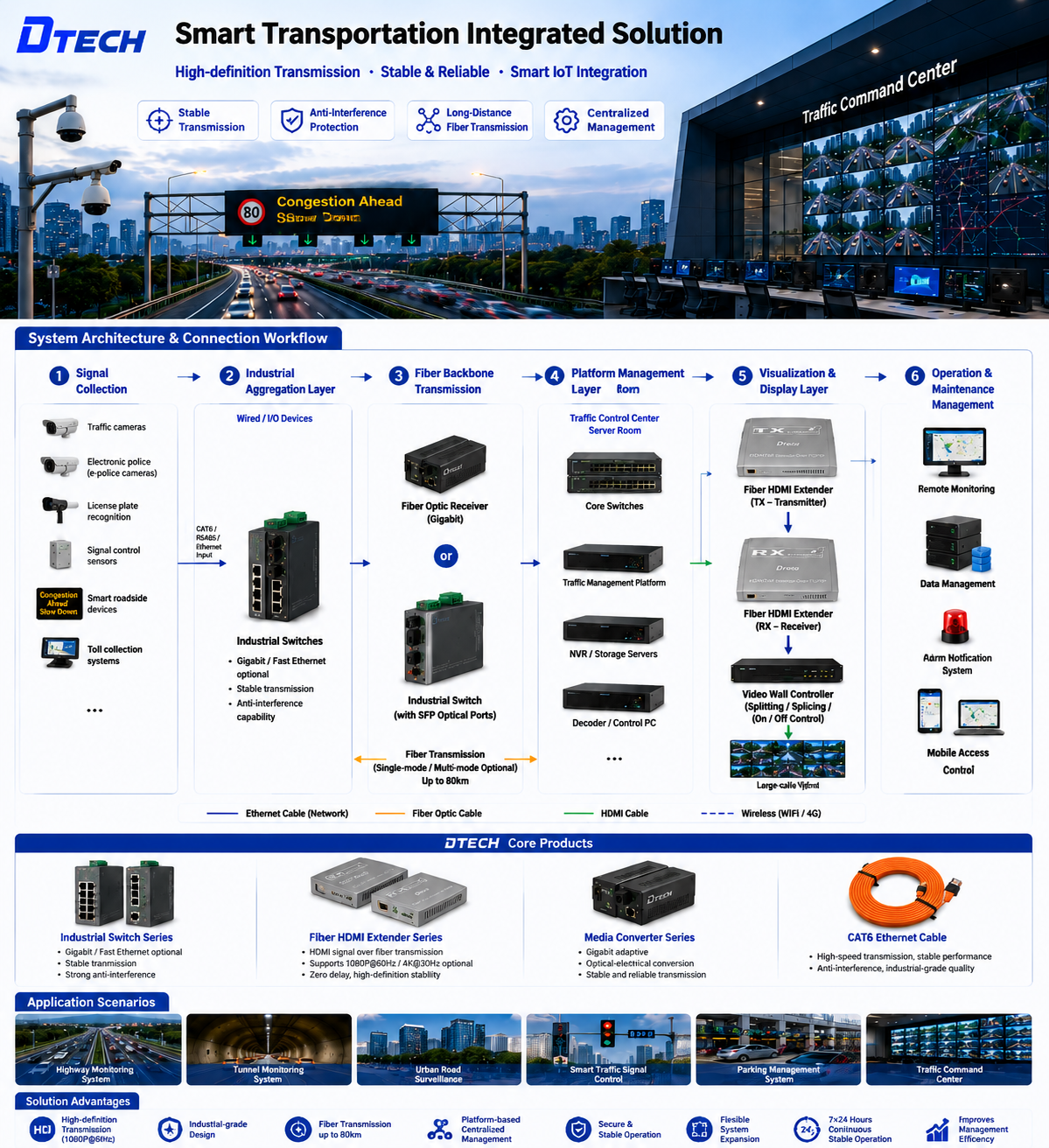
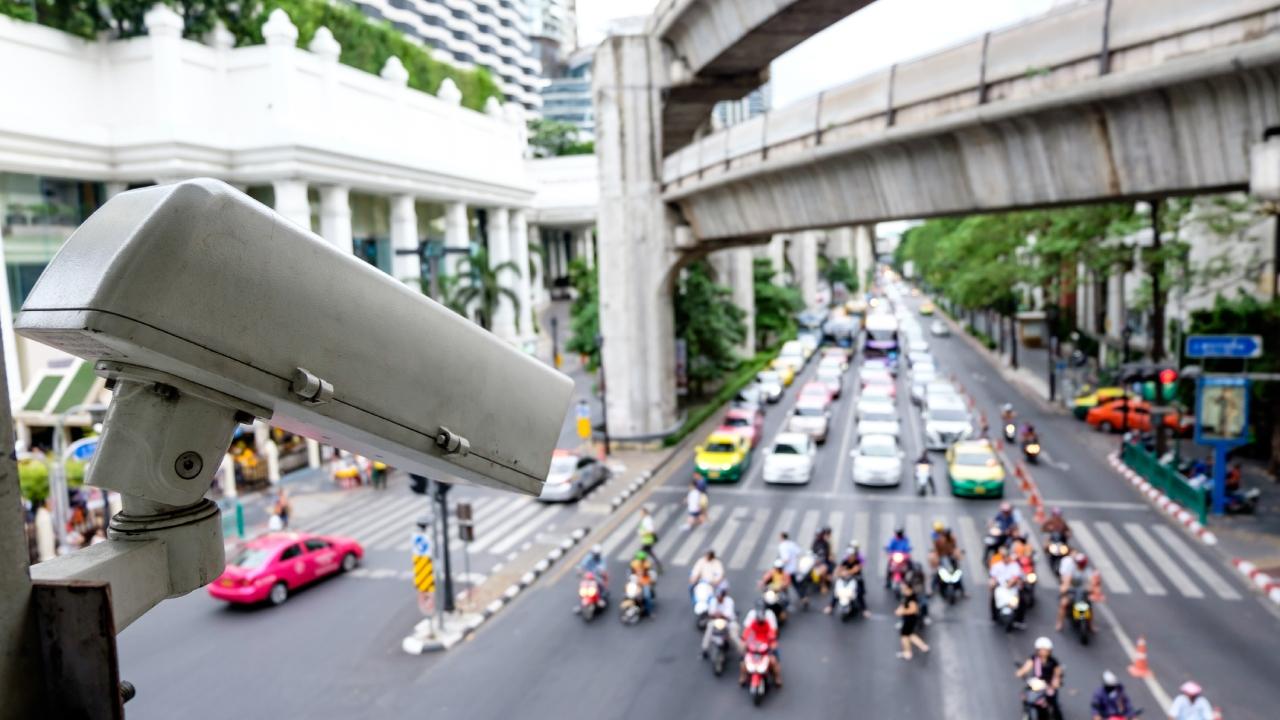
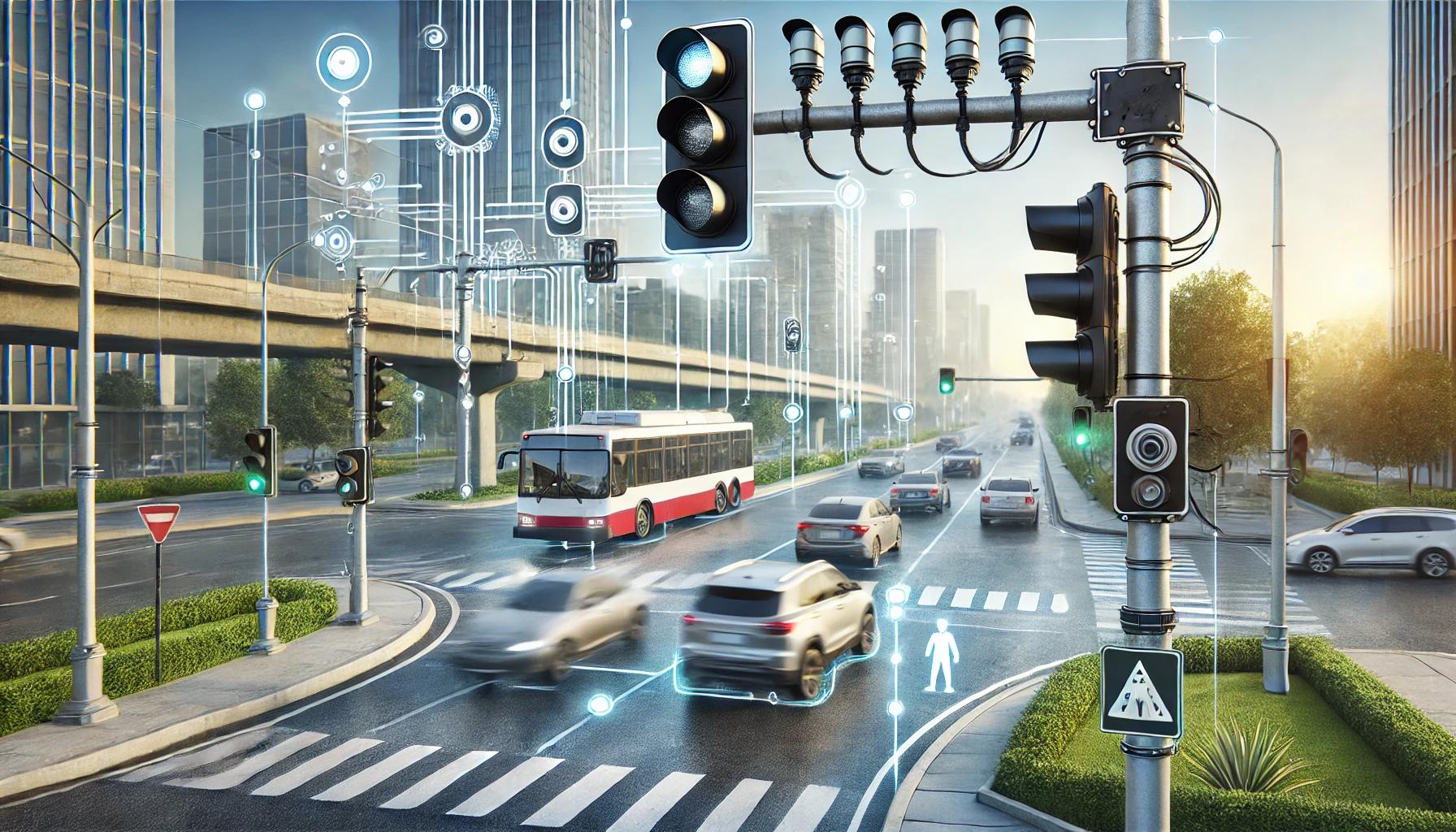
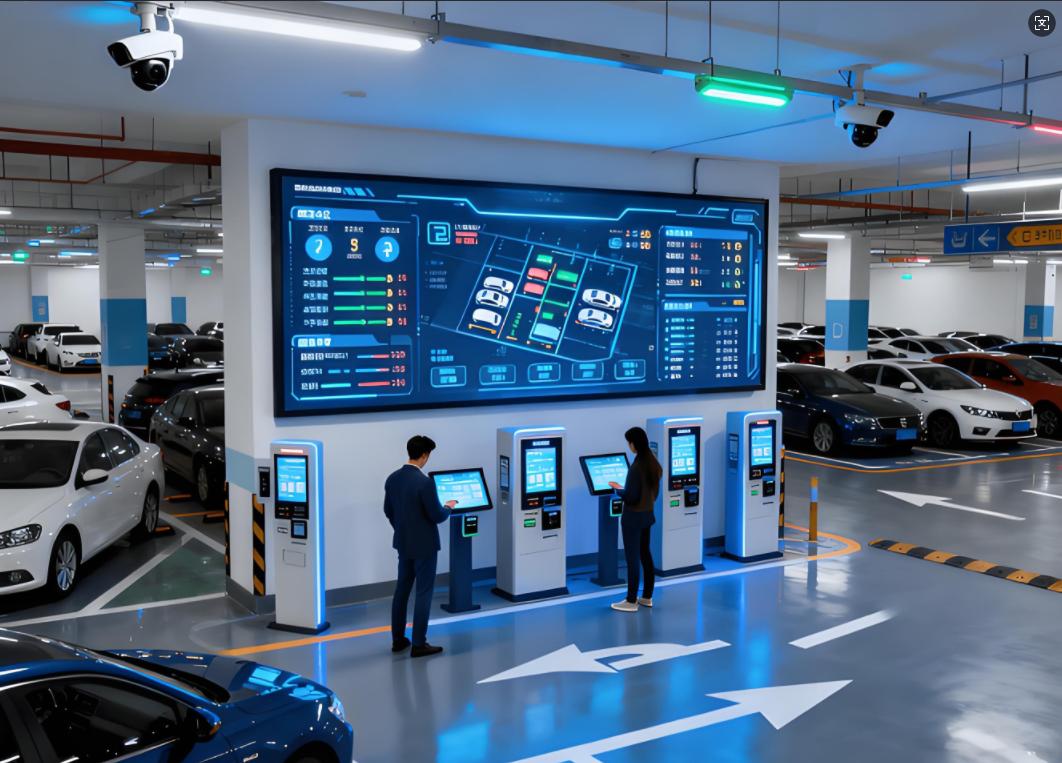
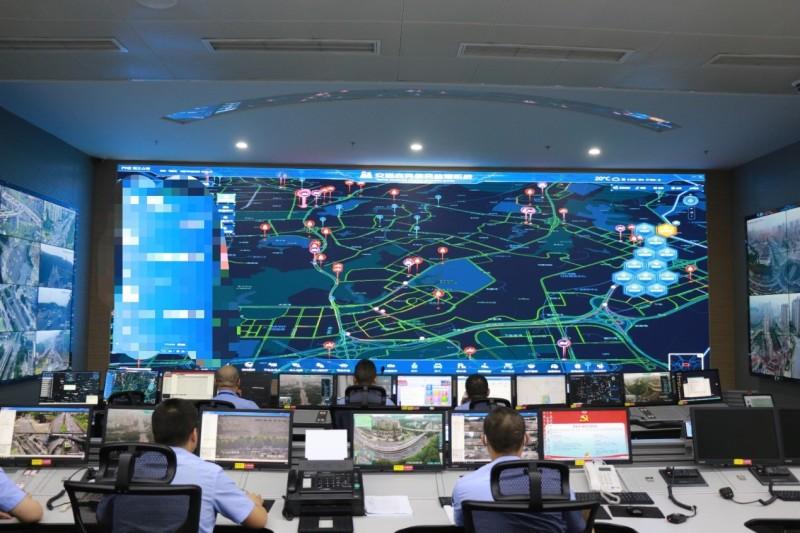
La solution de trafic intelligent DTECH est un système complet de transmission vidéo et de gestion conçu pour les autoroutes, les tunnels, les routes urbaines et les centres de commande du trafic. Elle suit une architecture en six étapes — acquisition des signaux → agrégation industrielle → transmission sur dorsale fibre → gestion de la plateforme → affichage de visualisation → exploitation et maintenance — pour acheminer les signaux provenant des appareils en façade tels que les caméras de trafic, les radars de contrôle automatisé et les panneaux à messages variables via des commutateurs industriels et des émetteurs-récepteurs fibre sur de longues distances jusqu’au centre de commande, où desextendeurs HDMI sur fibreet des murs vidéo permettent un affichage centralisé et une exploitation à distance. Ses principaux avantages comprennent une transmission HD 1080P@60Hz, un fonctionnement stable 24h/24 et 7j/7 de niveau industriel, des distances de transmission fibre allant jusqu’à 80 km et une gestion centralisée basée sur une plateforme, ce qui la rend adaptée à six scénarios majeurs : surveillance des autoroutes, surveillance des tunnels, surveillance des routes urbaines, contrôle intelligent des feux de circulation, gestion des parkings et centres de commande du trafic.
Points clés à retenir
 Architecture du système
Quatre capacités essentielles
Quatre gammes de produits principales
Distance de transmission
Scénarios applicables
Logique de sélection
Architecture du système
Quatre capacités essentielles
Quatre gammes de produits principales
Distance de transmission
Scénarios applicables
Logique de sélection
1.Qu’est-ce qu’une solution de trafic intelligent
Une solution de trafic intelligent désigne l’intégration systématique de trois composants — les dispositifs d’acquisition des signaux en façade, les réseaux de transmission de couche intermédiaire et les plateformes de gestion en arrière-plan — conçue pour les scénarios de circulation urbaine et autoroutière. Son objectif principal est de résoudre trois problèmes majeurs du secteur :
1.Perte de signal et dégradation de l’image : Les points de surveillance du trafic sont largement dispersés et éloignés les uns des autres, ce qui rend difficile pour les équipements réseau standard de maintenir une qualité d’image stable sur de longues distances.
2.Les interférences environnementales entraînent une instabilité : Les armoires extérieures et les tunnels sont soumis aux interférences électromagnétiques ainsi qu’aux variations de température et d’humidité, ce qui entraîne des taux de panne élevés pour les équipements commerciaux standard.
3.Difficulté à gérer plusieurs signaux de manière centralisée : Les centres de commande du trafic doivent gérer simultanément des dizaines voire des centaines de flux vidéo ; sans plateforme unifiée, l’efficacité opérationnelle est réduite.
La solution de trafic intelligent DTECH repose sur trois piliers de positionnement — Transmission HD, fiabilité stable et connectivité IoT intelligente — en utilisant des équipements de niveau industriel pour garantir une stabilité de base, une transmission sur dorsale fibre pour résoudre les défis liés aux longues distances et une gestion basée sur une plateforme pour améliorer l’efficacité opérationnelle.
2.Architecture du système : présentation détaillée des six étapes
L’architecture du système DTECH suit une logique claire de flux des signaux, structurée selon l’ordre : Acquisition → Agrégation → Transmission → Gestion → Affichage → Exploitation.
2.1 Étape 1 : couche d’acquisition des signaux
Les appareils en façade sont la source de tous les signaux du système. Les appareils courants comprennent :
Les signaux de cette couche sont transmis à l'étape suivante via un câble CAT6, RS485, ou Ethernet.
Les signaux frontaux convergent d'abord vers des commutateurs industriels situés aux intersections ou dans les armoires — le premier point de contrôle pour garantir la stabilité du système. Les commutateurs industriels sont de deux types :
La transmission longue distance des armoires routières vers le centre de commande du trafic repose sur des émetteurs-récepteurs fibre pour la conversion des signaux optoélectriques, avec des options de fibre monomode/multimode pour répondre aux différentes exigences de distance. Cette étape est essentielle pour résoudre le problème central de l'industrie lié à la « distance de transmission ».
Après l'arrivée des signaux dans la salle informatique du centre de commande, ils passent par :
Cette couche est le « cerveau » de l'ensemble du système, déterminant si plusieurs signaux peuvent être planifiés efficacement et stockés à long terme.
Les signaux traités par la plateforme de gestion sont transmis via des prolongateurs HDMI sur fibre (émetteur TX + récepteur RX) vers le contrôleur du mur vidéo, permettant finalement un affichage multi-vues, en écran partagé et en fenêtres sur le grand mur vidéo pour la surveillance du trafic en temps réel par le personnel du centre de commande.
La dernière étape clôt la boucle opérationnelle, comprenant :
Ces six étapes forment une boucle fermée complète — un goulot d'étranglement à n'importe quelle étape affecte directement l'efficacité de prise de décision du centre de commande du trafic.
3.Spécifications des produits principaux et comparaison de sélection
La logique de sélection des équipements varie considérablement selon les différents scénarios et budgets. Vous trouverez ci-dessous une référence comparative des quatre principales gammes de produits DTECH :
| Gamme de produits | Spécifications clés | Application | Avantage principal |
| Série de commutateurs industriels | Sélectionnable Fast/Gigabit, certains modèles avec port SFP | Agrégation des signaux des armoires de carrefour | Transmission stable, forte résistance aux interférences |
| Série d'extendeurs HDMI sur fibre | Prend en charge 1080P@60Hz / 4K@30Hz | Affichage sur mur vidéo du centre de commande | Latence nulle, qualité d'image HD stable |
| Série de convertisseurs de média | Auto-adaptation Fast/Gigabit | Nœuds de conversion opto-électrique | Conversion stable et fiable |
| Câble CAT6 | Transmission haut débit, qualité de niveau industriel | Câblage d'appareils à courte distance | Résistant aux interférences, durable |
3.2 Commutateur industriel vs commutateur commercial standard
| Comparaison | Commutateur industriel | Commutateur commercial |
| Adaptabilité environnementale | Large plage de températures, résistant à la poussière et à l'humidité, adapté aux armoires extérieures | Généralement adapté uniquement aux environnements intérieurs à température contrôlée |
| Résistance aux interférences | Forte, adaptée aux tunnels et aux carrefours à forte IEM | Moyenne, susceptible de subir des pertes de paquets dues aux interférences |
| Stabilité de fonctionnement | Conçu pour un fonctionnement continu 24h/24 et 7j/7 | Adapté à une utilisation non continue |
| Cas d'utilisation | Surveillance du trafic, IoT industriel et autres scénarios exigeants | Réseaux de bureaux et scénarios généraux |
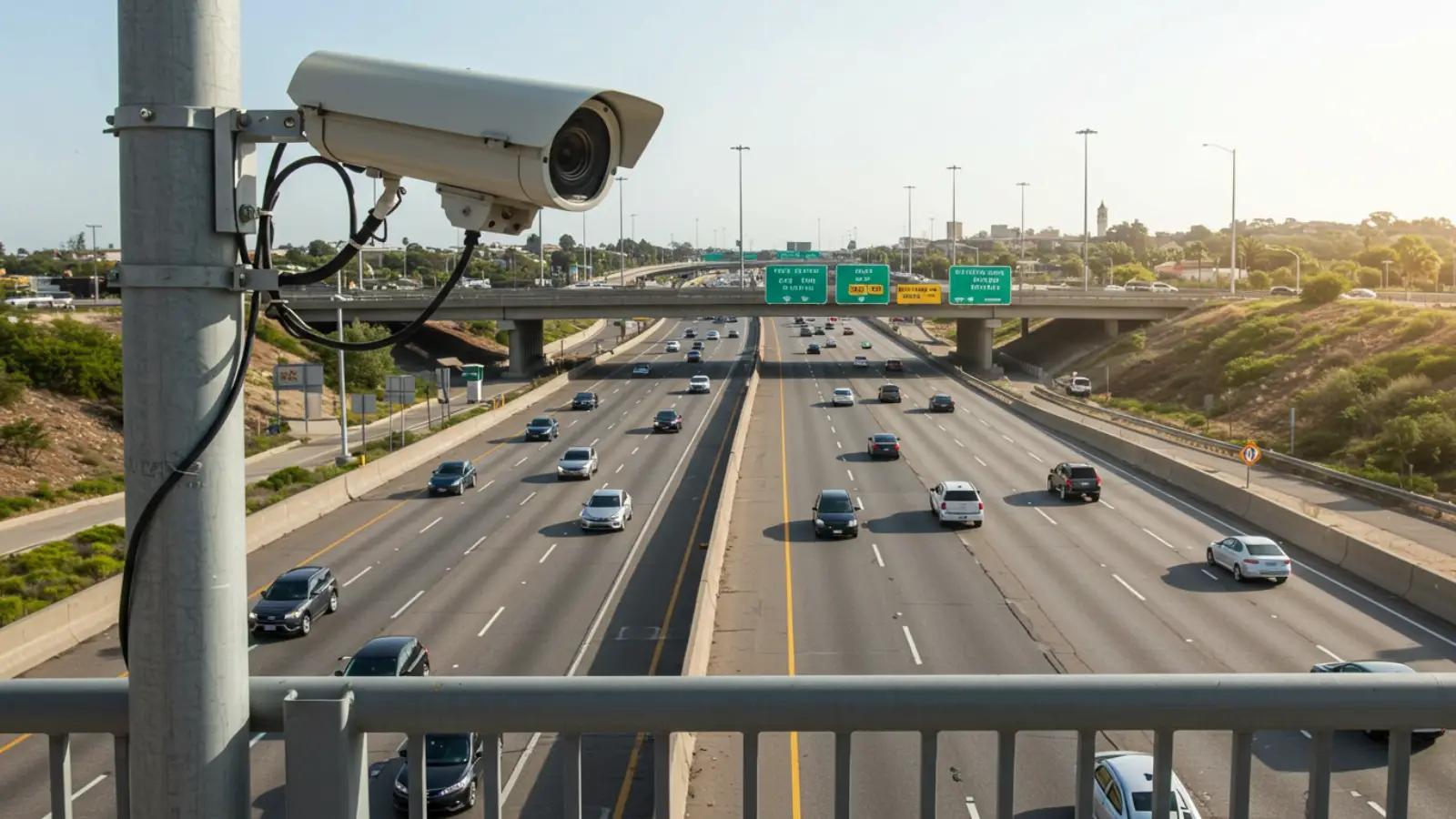
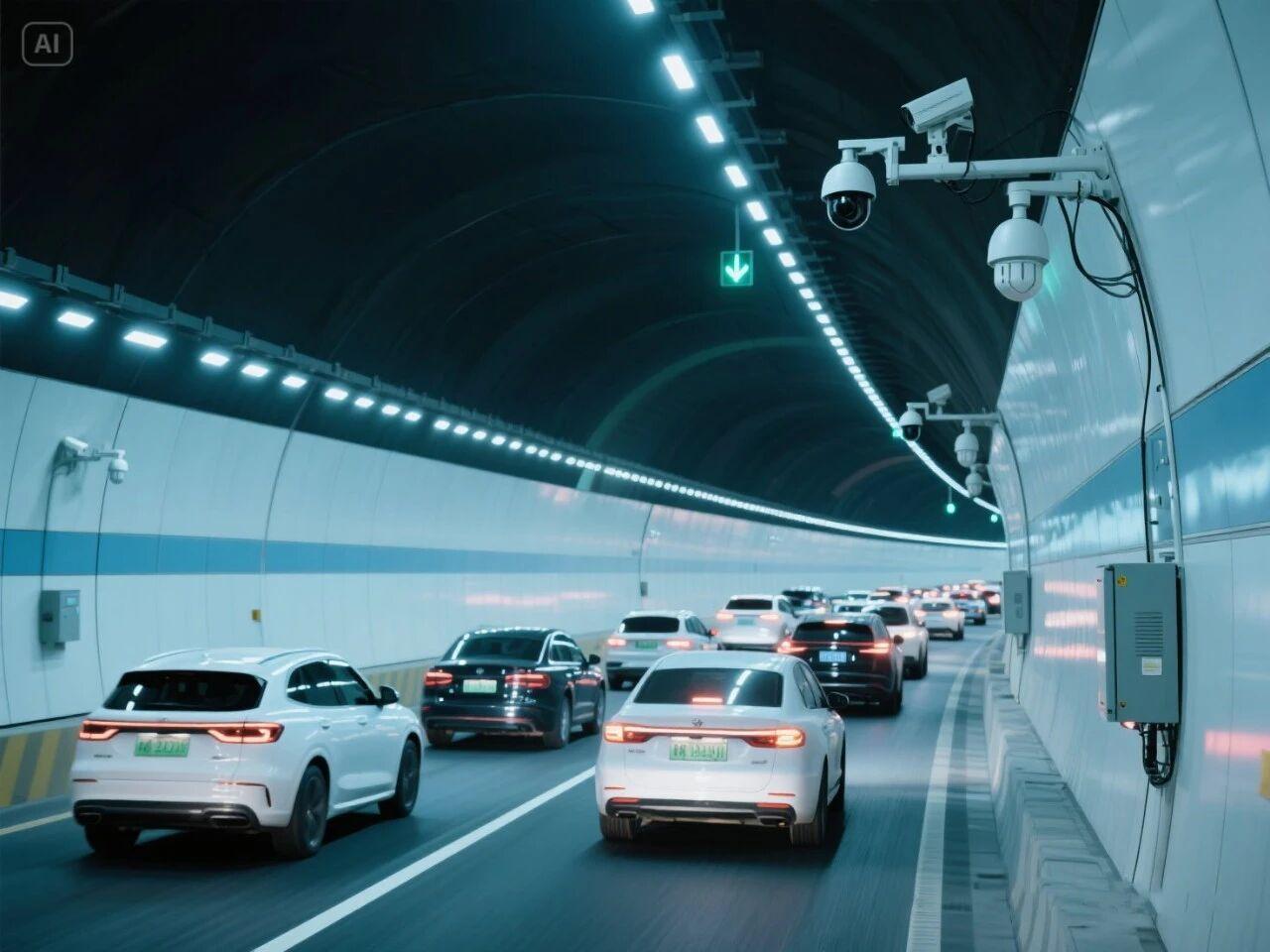
4.Six scénarios d'application : référence pratique
Q1 : De quels équipements de base une solution de trafic intelligent a-t-elle besoin ?
R : Une solution complète comprend généralement des dispositifs d’acquisition front-end tels que des caméras de circulation, des commutateurs industriels, des émetteurs-récepteurs fibre, des commutateurs cœur de réseau, une plateforme de gestion du trafic, du stockage NVR, des prolongateurs HDMI sur fibre et des contrôleurs de murs vidéo — couvrant l’ensemble du processus, de l’acquisition du signal à la visualisation.
Q2 : Quelle est la distance maximale de transmission par fibre ?
R : En utilisant des émetteurs-récepteurs fibre ou des commutateurs industriels équipés de SFP, la distance de transmission peut atteindre jusqu’à 80 km, répondant aux besoins des scénarios d’ultra-longue distance tels que les autoroutes.
Q3 : Quelle est la différence entre les commutateurs industriels et les commutateurs standard ?
R : Les commutateurs industriels sont conçus pour les environnements extérieurs, à fortes interférences et à large plage de températures, assurant un fonctionnement stable 24 h/24 et 7 j/7 avec des performances anti-interférences nettement supérieures à celles des commutateurs commerciaux — ce qui les rend mieux adaptés aux scénarios exigeants comme la surveillance du trafic.
Q4 : Le prolongateur HDMI sur fibre prend-il en charge la transmission 4K et y a-t-il une latence ?
R : La série de prolongateurs HDMI sur fibre DTECH prend en charge les spécifications 1080P@60Hz et 4K@30Hz. Grâce à la transmission par fibre, elle offre une latence nulle et une qualité d’image stable, adaptée aux scénarios de murs vidéo des centres de commande.
Q5 : Comment garantir la stabilité du signal dans des environnements à fortes interférences comme les tunnels ?
R : Il est recommandé de privilégier les commutateurs de qualité industrielle et les solutions de transmission par fibre. Les équipements de qualité industrielle sont spécialement conçus pour résoudre les problèmes environnementaux typiques des tunnels, tels que les interférences électromagnétiques et les fluctuations de température et d’humidité, réduisant ainsi considérablement les taux de panne.
Q6 : Comment choisir entre une fibre monomode et une fibre multimode ?
R : Pour les transmissions longue distance (des dizaines de kilomètres), la fibre monomode est recommandée, par exemple pour les scénarios autoroutiers. Pour les distances moyennes à courtes (de quelques centaines de mètres à quelques kilomètres), une fibre multimode moins coûteuse convient, par exemple pour la transmission entre des nœuds routiers urbains.
Q7 : Ce système prend-il en charge la surveillance à distance et mobile ?
R : Oui. La couche d’exploitation et de maintenance prend en charge la surveillance à distance sur PC, la gestion des données cloud/locales, l’envoi d’alertes en temps réel et l’accès mobile (téléphone/tablette) à tout moment.
Q8 : En quoi la sélection des équipements diffère-t-elle selon les scénarios (autoroute/tunnel/route urbaine) ?
R : Les principales différences concernent la distance de transmission et les interférences environnementales : les autoroutes mettent l’accent sur la transmission longue distance par fibre, les tunnels sur la capacité anti-interférences, les routes urbaines sur l’agrégation efficace de plusieurs intersections, et les scénarios plus petits comme les parkings peuvent adopter une solution plus économique combinant câbles et commutateurs petits à moyens.
Q9 : Le système prend-il en charge les futures extensions et mises à niveau ?
R : Oui. La solution DTECH utilise une conception modulaire, permettant une extension flexible des points de surveillance et des équipements au fur et à mesure de la croissance des activités, sans avoir besoin de tout reconstruire — réduisant ainsi les coûts de rénovation ultérieurs.
Q10 : Comment obtenir des conseils de sélection de produits DTECH ou un devis de solution ?
R : Vous pouvez contacter les ingénieurs DTECH avec les détails de votre scénario réel (nombre de points, distance de transmission, conditions environnementales) afin de recevoir des conseils de sélection personnalisés et un devis détaillé.
Grâce à sa conception systématique en six étapes, la solution de trafic intelligente DTECH intègre les trois capacités essentielles de la transmission HD, la fiabilité stable et la connectivité IoT intelligente dans quatre gammes de produits principales — commutateurs industriels, prolongateurs HDMI sur fibre, convertisseurs de médias et câbles CAT6. Elle s’adapte de manière flexible à six scénarios typiques — autoroutes, tunnels, routes urbaines, contrôle intelligent des feux de signalisation, gestion des parkings et centres de commande du trafic — en fournissant aux clients du secteur des transports une solution réseau intégrée, de l’acquisition front-end à la visualisation dans le centre de commande.
© droits dauteur: 2026 Guangzhou Dtech Electronics Technology Co.,Ltd. Tous les droits sont réservés.

